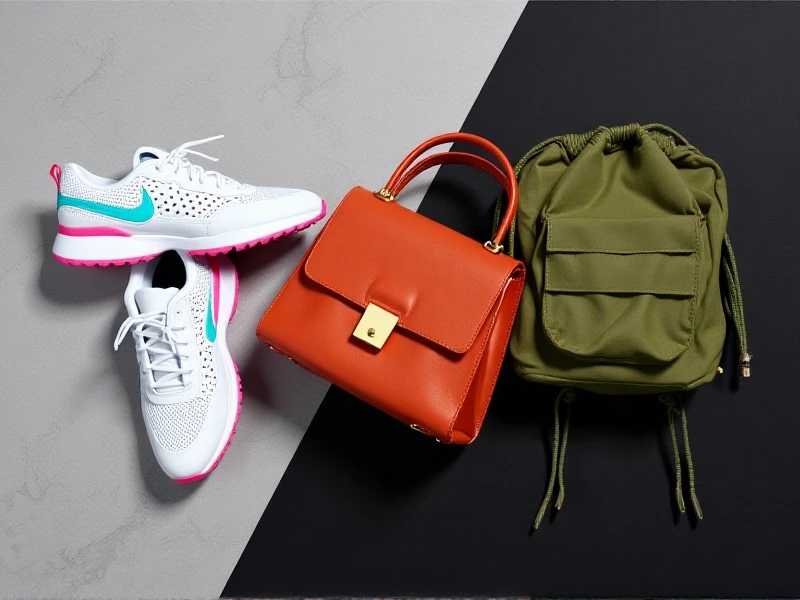
The Ultimate Guide to Choosing High-Performance Sports Shoes
Sports shoes are essential for athletic performance and injury prevention. Whether you're a professional runner, weekend warrior, or fitness enthusiast, selecting the right footwear impacts your training results and joint health. Modern sports shoes incorporate cutting-edge technology to meet diverse athletic demands.
Running shoes dominate the market with specialized designs. Cushioned models absorb impact for road runners, while stability versions control overpronation. Trail running shoes offer aggressive treads and rock plates for uneven terrain. For track and field athletes, lightweight racing spikes provide explosive traction. Always match your shoe type to your primary activity - never wear basketball shoes for long-distance running.
Beyond running, consider sport-specific designs:
- Basketball shoes feature ankle support and responsive cushioning for jumps
- Cross-trainers provide versatile support for gym activities
- Tennis shoes prioritize lateral stability and quick pivots
- Walking shoes offer flexible soles and heel support
Critical fitting tips ensure maximum benefit from sports shoes:
- Shop in the afternoon (feet naturally expand)
- Wear performance socks you'll use during activities
- Leave thumbnail's space between longest toe and shoe front
- Test shoes on actual surfaces when possible
- Replace every 300-500 miles as midsole cushioning degrades
Modern innovations include sustainable materials like recycled ocean plastics, 3D-printed midsoles customized to gait patterns, and thermoregulating fabrics. Brands now use motion-capture technology to develop sport-specific patterns that reduce injury risk.
Proper maintenance extends sports shoes' lifespan:
- Avoid machine washing which breaks down adhesives
- Remove insoles and air-dry after intense workouts
- Use UV shoe sanitizers to eliminate bacteria
- Rotate between multiple pairs to allow decompression
Investing in quality sports shoes prevents shin splints, plantar fasciitis, and stress fractures. Consult specialty retailers for gait analysis and remember: discomfort during fitting indicates future problems. As sports science advances, expect hyper-personalized footwear that adapts to individual biomechanics and training loads.